Walk into a coffee shop and you will probably see the glow of Apple logos lined up across tables. Step into a developer conference and you are more likely to hear the clack of Linux machines booting lightweight distros. Yet if you enter an office, a university computer lab, or even a government department in 2025, the screens still almost always run Windows.
It is a paradox worth exploring. MacOS has never been more stable, with a polished app ecosystem. Linux has never been more efficient, flexible, and lightweight. But despite these advances, Windows remains the operating system most people use. The reason is not only about software — it is about culture, familiarity, and trust.
For a full comparison of laptops across all operating systems, see our complete MacBook vs Linux vs Windows guide.
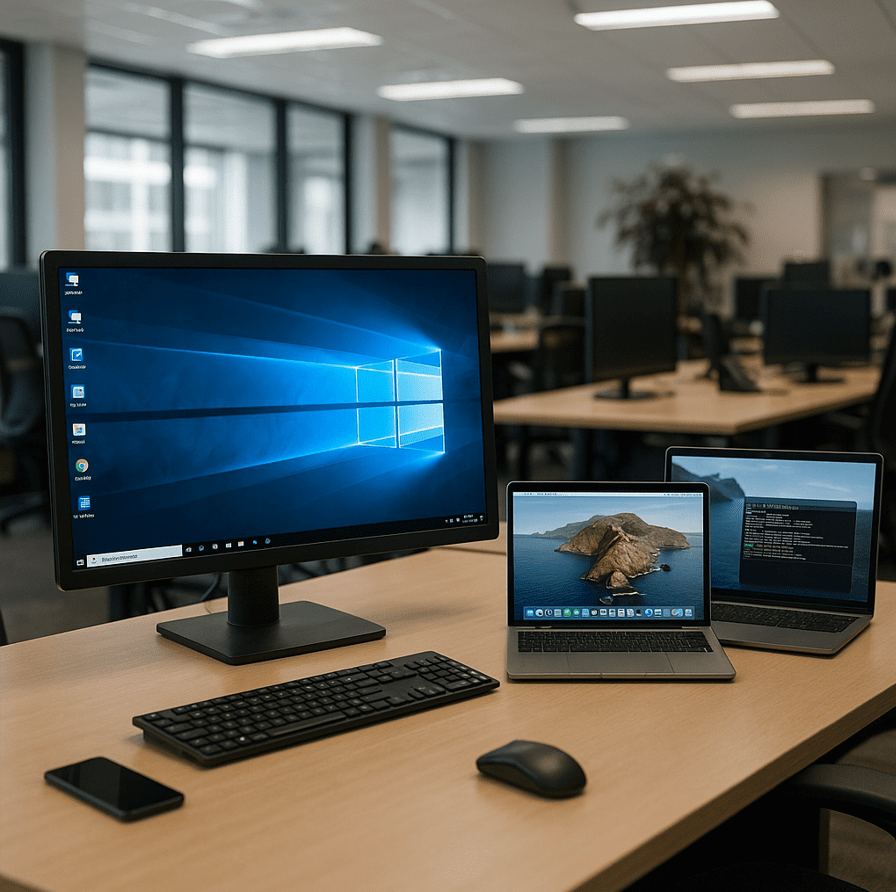
The weight of familiarity
One of the most powerful forces in technology adoption is habit. Pew Research has shown how familiarity shapes consumer trust in everyday tech choices (Pew).
Windows is the operating system millions of people grew up with. It was the first system they used in school, the one they learned office software on, and the one that became embedded in workplace culture. Over decades, this familiarity turned into an invisible comfort.
This is similar to what I explored in Trust is the New Currency in Tech Branding. Familiarity is not just convenience. It is trust. People feel safer choosing what they already know, even if alternatives promise better features.
Ecosystem lock-in
Beyond habit, Windows remains the backbone of enterprise infrastructure. StatCounter data shows that as of mid-2025, Windows still holds the majority share of the global desktop market, with MacOS and Linux far behind (StatCounter GlobalStats).
Part of the reason is ecosystem lock-in. Businesses built entire stacks around Microsoft services — Office, Outlook, Teams, SharePoint. Custom applications written years ago still depend on Windows compatibility. Migrating these systems is not only expensive but disruptive.
As one IT manager in a financial firm told me: “We are not sticking with Windows because it is the best, but because it is the one that keeps everything running.”
MacOS as lifestyle
MacOS has grown into a powerful and stable ecosystem. Its integration of hardware and software gives users a polished, seamless experience. For many creatives, from designers to video editors, it has become the default choice.
But MacOS also represents something beyond function — it is a lifestyle. The sleek design and premium price position it as an aspirational product. It fits naturally in studios and creative industries but less so in corporate back offices or public institutions.
This echoes the cultural identity I examined in Smartphone Branding Trends in 2025. Just as phones reflect identity, operating systems carry symbolic meaning. For many, MacOS means creativity and status. For others, it means exclusivity and expense.

Linux as philosophy
Linux tells another story. It is efficient, lightweight, and secure. It thrives in developer communities and research environments where customization and control matter more than convenience.
But Linux is not just an operating system. It is a philosophy of openness and freedom. Communities gather around distributions, documentation, and forums in ways that reflect belonging and ideology.
I explored a version of this culture in Why Many Linux Users Prefer ThinkPads. The devotion is real, but the fragmentation of distributions and the steep learning curve keep Linux outside the mainstream.

Windows as the workhorse
Against this backdrop, Windows is rarely described as elegant or philosophical. It is described as practical. It may not offer the luxury polish of MacOS or the ideological purity of Linux, but it does enough across the widest range of needs.
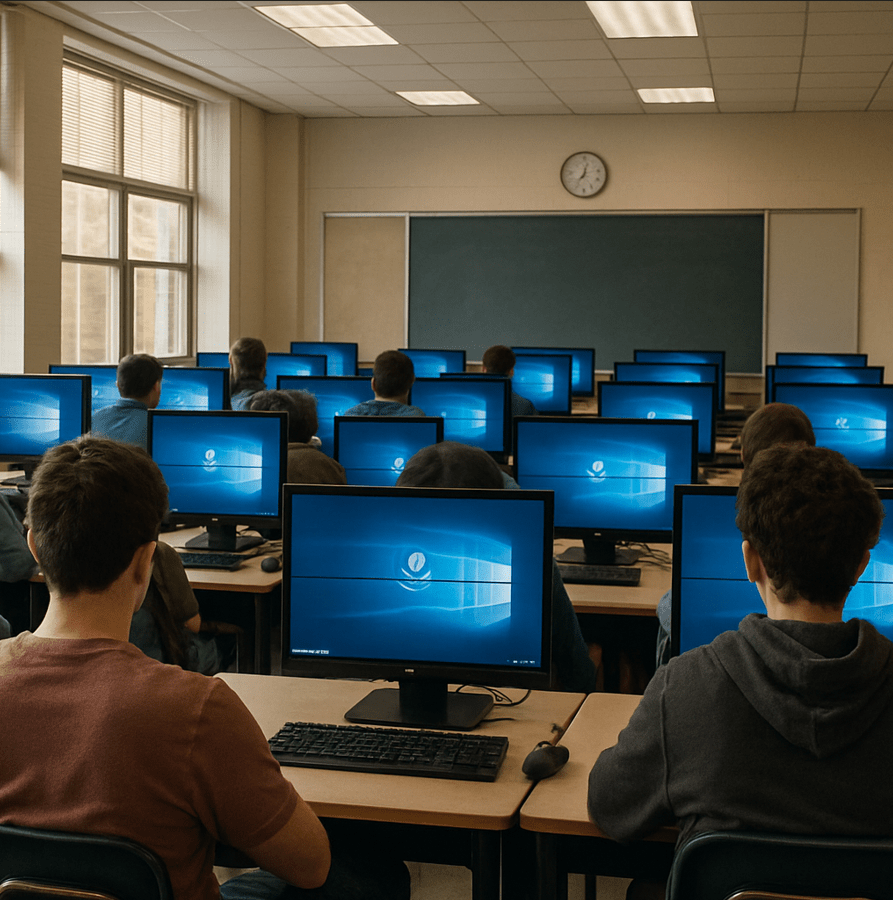
This is why Windows remains the default in offices and public institutions. It supports legacy apps, integrates with Microsoft’s cloud services, and runs on almost any hardware. Its ubiquity creates its own momentum as people expect to find Windows wherever they go, and so it stays.
A developer I spoke with summarized it best: “I code on Linux, I edit on Mac, but when it is time to get paperwork done, I open Windows. It is the language of work.”
The fragility of alternatives
The persistence of Windows also reflects the limits of its rivals. MacOS remains constrained by its premium pricing and hardware exclusivity. Linux still struggles with mainstream app availability and user onboarding. Both ecosystems have grown, but neither has displaced the broad familiarity and compatibility Windows provides.
This mirrors what I wrote in Digital Tribes and Tech Branding. Communities are powerful, but scaling outside them requires bridging cultural and practical barriers. MacOS and Linux thrive in their tribes, but Windows continues as the common ground.
Frequently Asked Questions
Why do people still use Windows in 2025?
Because it is familiar, compatible with legacy systems, and supported across workplaces and institutions worldwide.
Which operating system is most used in 2025?
Windows still leads the global desktop market share in 2025, ahead of MacOS and Linux, according to StatCounter: https://gs.statcounter.com/os-market-share/desktop/worldwide.
Is MacOS better than Windows?
MacOS is more stable and polished, especially for creative industries, but its premium pricing limits mass adoption.
Is Linux better than Windows?
Linux is lightweight, secure, and highly customizable. It is trusted in developer and research communities but remains niche for mainstream use.
Can Windows lose dominance in the future?
It is possible, but in 2025 Windows remains the global default because of its legacy presence and ecosystem lock-in.
Closing reflection
Windows is not always the most elegant, the most secure, or the most efficient. But it remains the bridge between old software, new hardware, and everyday familiarity. People may admire MacOS and respect Linux, but Windows continues as the workhorse of global computing.
In the end, operating systems are not only technical platforms. They are cultural choices. And in 2025, Windows is still the language of work.
👉 If you found this reflection useful, subscribe at safa.tech.blog to explore more essays on how culture, branding, and technology shape the tools we choose.

 safa.tech
Leave a comment